The Pyrenean Mastiff or Mastín del Pirineo is an impressive, intelligent, and independent breed. Proper training, early socialization, and a good understanding of their health needs are essential to ensure they grow into stable, confident, and reliable companions. On this page, you will find practical information about training and health, based on the true nature of the breed.
The Pyrenean Mastiff has a long history as a livestock guardian, a role that has shaped both its character and behavior. This breed is known for its independence, intelligence, and calm confidence. Training and health care therefore require a thoughtful, patient, and informed approach.
Because of their size and independent mindset, Pyrenean Mastiffs benefit greatly from early guidance, positive training methods, and responsible health management. Understanding how they think, learn, and physically develop will help owners build a strong lifelong bond based on trust and mutual respect.
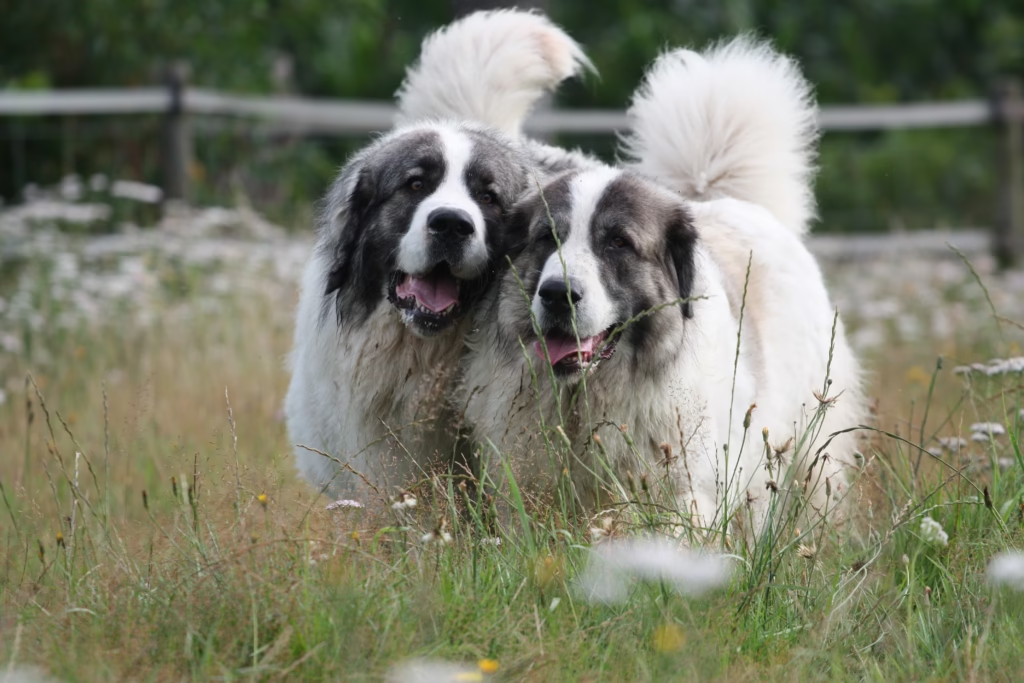
The Pyrenean Mastiff is generally a healthy breed with a life expectancy of approximately 9 to 12 years. However, like all large and giant breeds, they are prone to certain health conditions.
The most common concerns include hip dysplasia (HD), elbow dysplasia (ED), eye conditions such as entropion and ectropion, and gastric torsion (bloat). Of these, hip and elbow dysplasia are the most frequently seen and are common across many large and giant breeds.
Hip dysplasia (HD) is a polygenetic condition, meaning it is influenced by multiple genes. At this time, there is no genetic test available. Responsible management during growth is essential. Young dogs should not be overexercised on hard or slippery surfaces, and high-impact activities should be avoided until the growth plates have fully closed. Maintaining a healthy body weight is crucial to reduce stress on the hips.
Definitive diagnosis of hip dysplasia is made through X-rays, which provide reliable results only after approximately two years of age. If a young dog shows early signs of abnormal gait or hip function, the PennHIP method can offer a reliable prediction. This assessment can be performed by specialized veterinarians from as early as 16 weeks of age. A formal hip dysplasia evaluation is strongly recommended.
Elbow dysplasia (ED) is similar in nature to hip dysplasia but affects the elbows. It occurs less frequently but should still be taken seriously. When a hip assessment is performed, it is recommended to include an elbow assessment as well to ensure a complete evaluation of the dog’s joint health.
Proper care, responsible breeding, and informed ownership play a key role in maintaining the overall health and well-being of the Pyrenean Mastiff throughout its life.
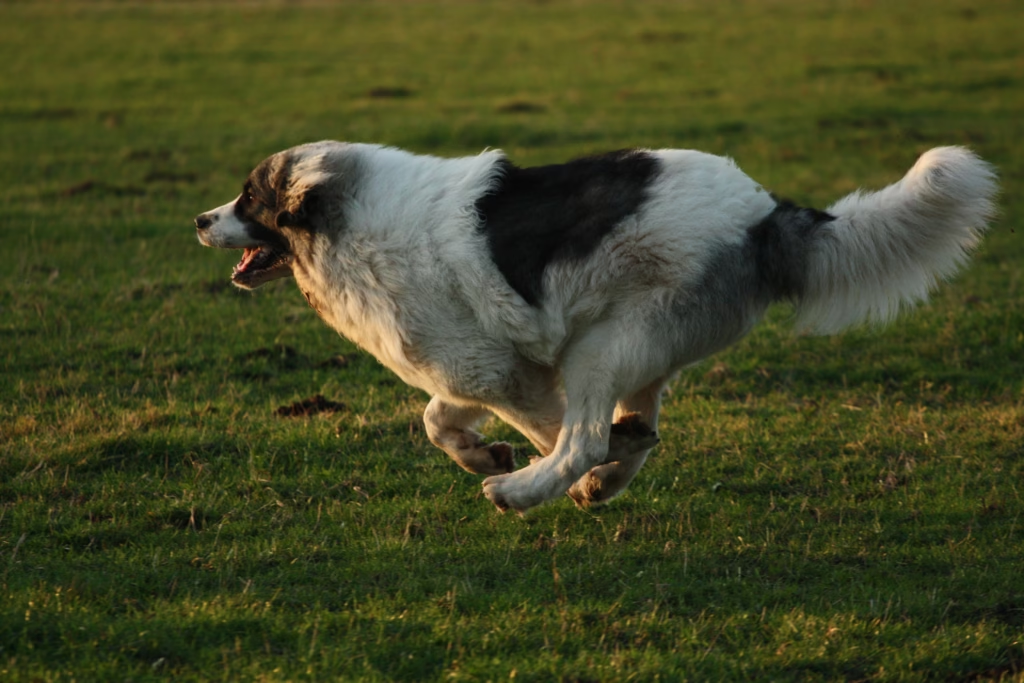
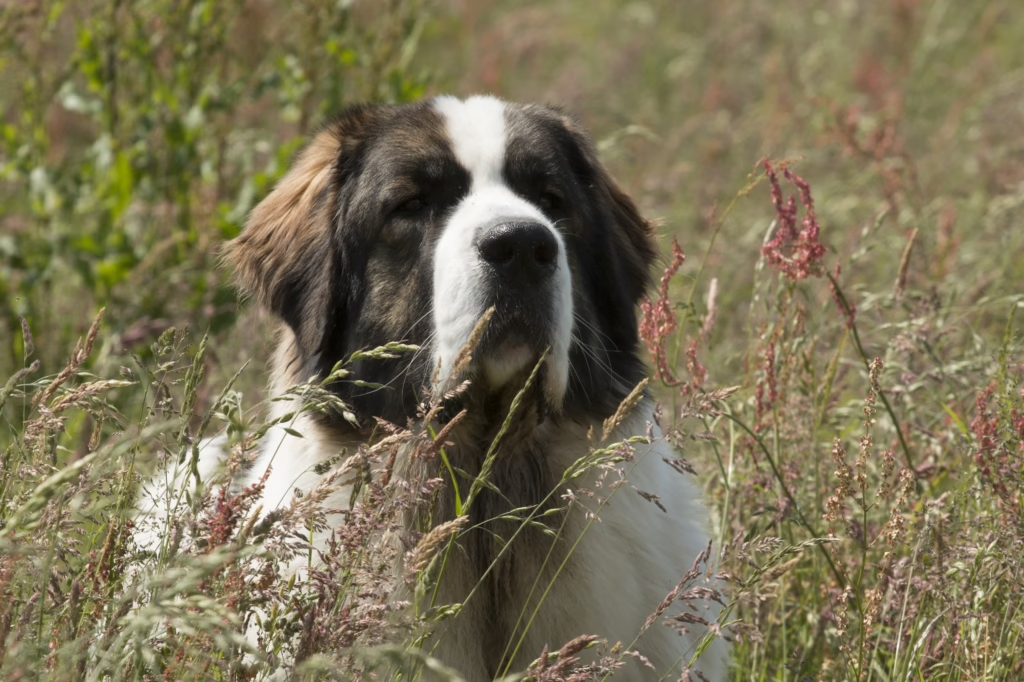
Pyrenean Mastiffs were traditionally bred to guard livestock independently, often making decisions without human guidance. This independence is still very present today. They are intelligent dogs, but they may not automatically obey commands simply because they are told to do so. Owners often recognize this by the characteristic look that seems to say: “Give me one good reason why I should.”
Training a Pyrenean Mastiff must therefore be based on motivation and gentle guidance. Harsh or forceful training methods are absolutely unacceptable and will only create distrust and damage the relationship between dog and owner. A calm, positive, and consistent approach from an early age is essential.
Socialization plays a crucial role. Puppies should be introduced to different environments, people, crowds, and other dogs. Regular walks in varied surroundings help them grow into stable and confident adults.
Despite their independent nature, Pyrenean Mastiffs are exceptionally intelligent and quickly understand what is expected of them. Whether they choose to comply depends largely on the owner’s patience, clarity, and persuasiveness. As they mature and learn to communicate with their owners, the bond grows stronger, and many become increasingly eager to please.
Start basic training as early as possible. Teach clear boundaries, what belongs to them and what does not, to prevent excessive guarding behavior. Introducing and consistently using the word “NO” early on is important. With patience, consistency, and respect, the Pyrenean Mastiff becomes a loyal companion with a very special and deep bond to its owner.
Connect with fellow Pyrenean Mastiff lovers and share your passion for this magnificent breed.